




Violence Against Men
Ekam Nyay Foundation is a pioneering non-governmental organization (NGO) founded by renowned equal rights activist Deepika Narayan Bhardwaj. Established with a steadfast commitment to upholding justice and equality, Ekam Nyay Foundation is dedicated to promoting gender equality and addressing the pressing issues faced by men in society. Driven by the vision of a world where every individual is treated with dignity, respect, and fairness, Ekam Nyay Foundation endeavors to bring about positive change through its multifaceted initiatives.
Our work is guided by a set of core values that include integrity, compassion, and inclusivity. We strive to provide a safe and supportive environment for individuals affected by false accusations, wrongful convictions, and other human rights violations, offering legal aid, emotional support, and counseling services.

What We Do
Ekam Nyay Foundation is dedicated to promoting gender equality and addressing the pressing issues faced by men in society. Our work is guided by a set of core values that include integrity, compassion, and inclusivity. We strive to provide a safe and supportive environment for individuals affected by false accusations, wrongful convictions, and other human rights violations, offering legal aid, emotional support, and counseling services.

Counselling
At Ekam Nyay Foundation, we recognize that legal issues can take an extreme toll on an individual's emotional & mental well-being, especially those men who are accused of crimes they haven't committed.

Content
At Ekam Nyaay Foundation, we harness the power of media to drive social change and advocate for men's rights and gender equality. Our content is designed to raise awareness, educate the public, engage our audience, and advocate for policy reforms.

Intervention
In cases of larger public interest, Ekam Nyaay Foundation works with victims on the ground to get them justice.

Research
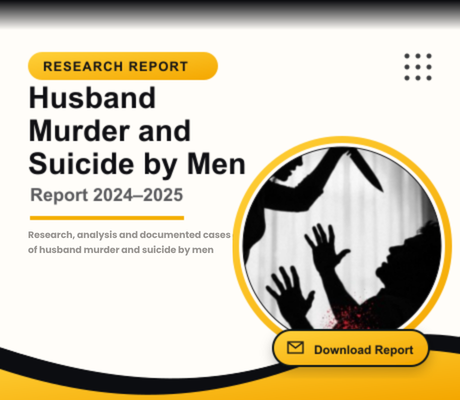
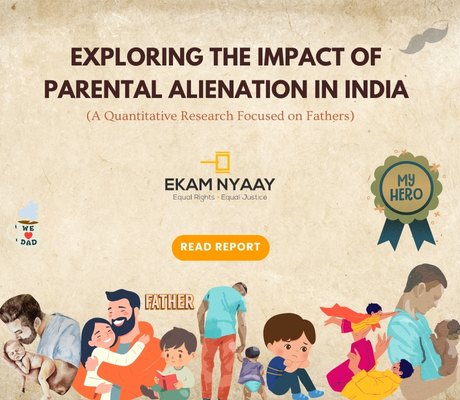
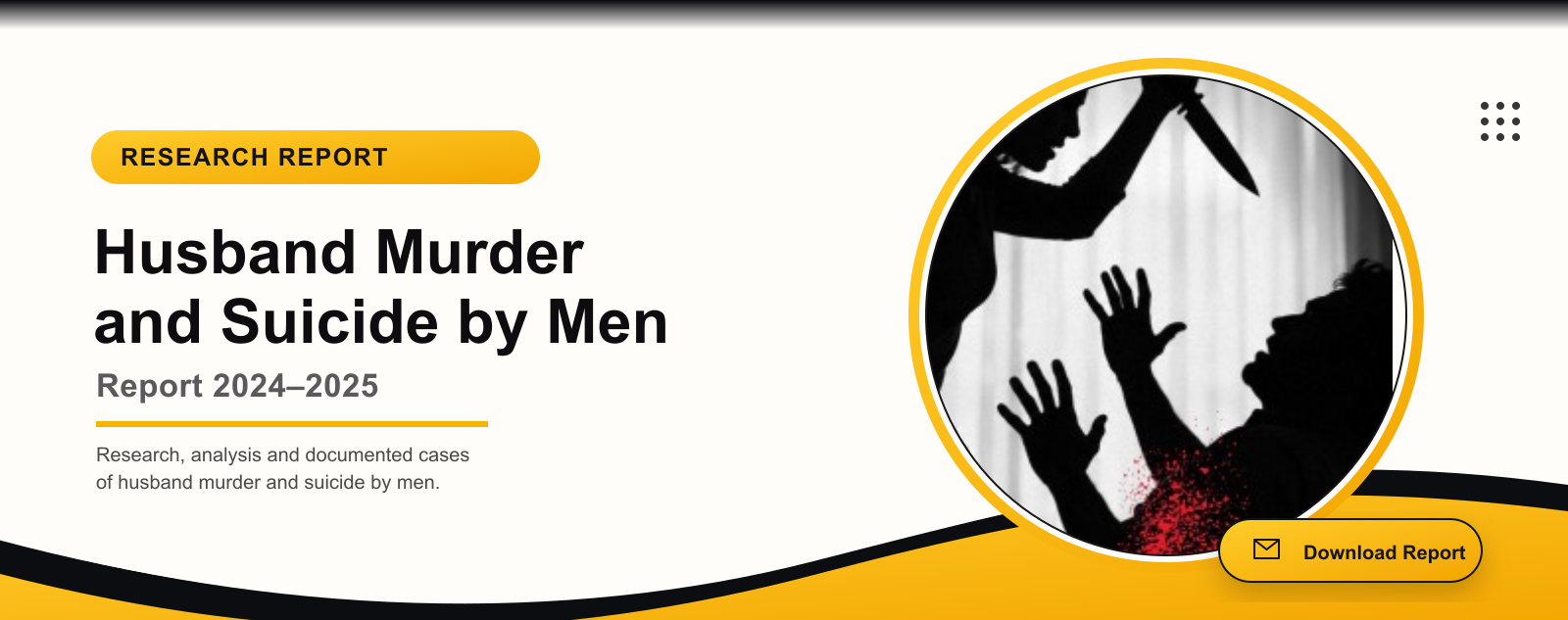
Ekam Nyaay Foundation focuses on bringing to light research reports on various issues faced by men in society. Despite the reluctance in the country to acknowledge these statistics, our foundation is dedicated to highlighting how many men have died, committed suicide, or been murdered by their partners.
Our Impact
Man Saved from a False Case of Rape on the Promise of Marriage by a False Rape Case Filer
In 2024, a man approached Ekam Nyaay Foundation after he was named in a rape complaint linked to an alleged false promise of marriage. The allegation threatened his liberty, reputation, and future, leaving him to navigate a legal process alone. Our team listened and began gathering the facts. During this process,...
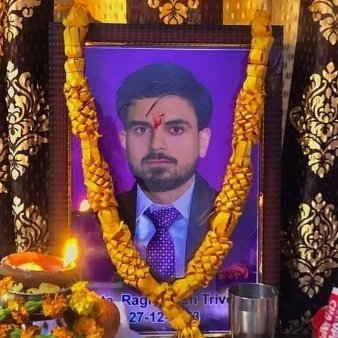
FIR Registration against Wife for Pushing Husband to Suicide.
For two years, a grieving family searched for the simple dignity of being heard. After the death by suicide of the brother of Karn in December of 2023, their efforts to have a First Information Report registered met repeated obstacles. Rishi Trivedi took his own life due to unbearable harassment...
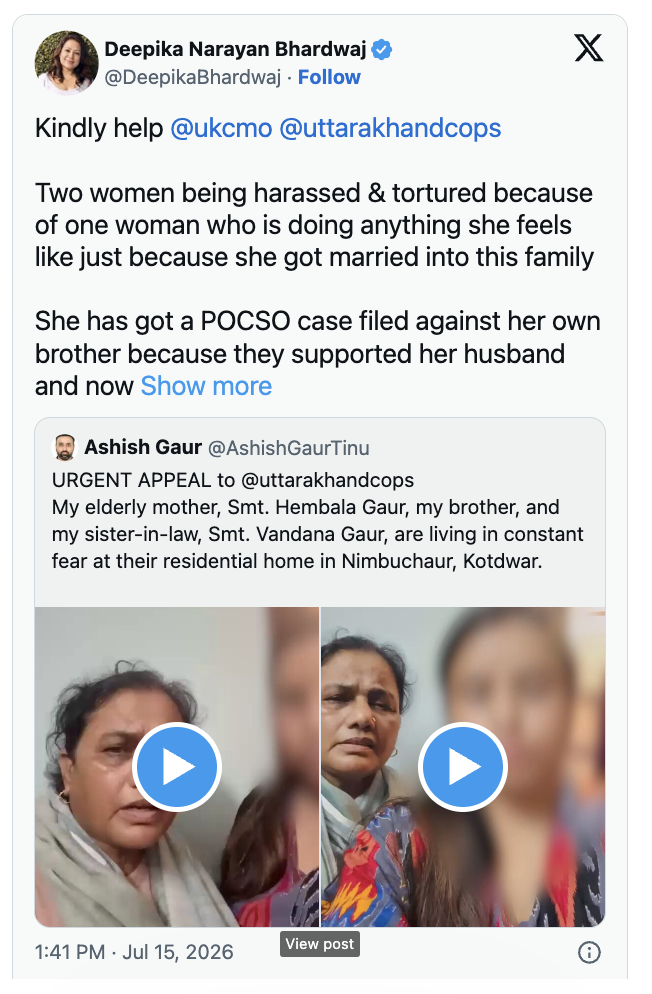
Successful Intervention in False POCSO case in Uttarakhand
When a family in Nimbuchaur, Kotdwar, reached out for help, their home had become a place of fear. An elderly mother, her children and family members reported sustained harassment, intimidation and threats of false criminal allegations. The pressure was so severe that one family member left the home, while even...
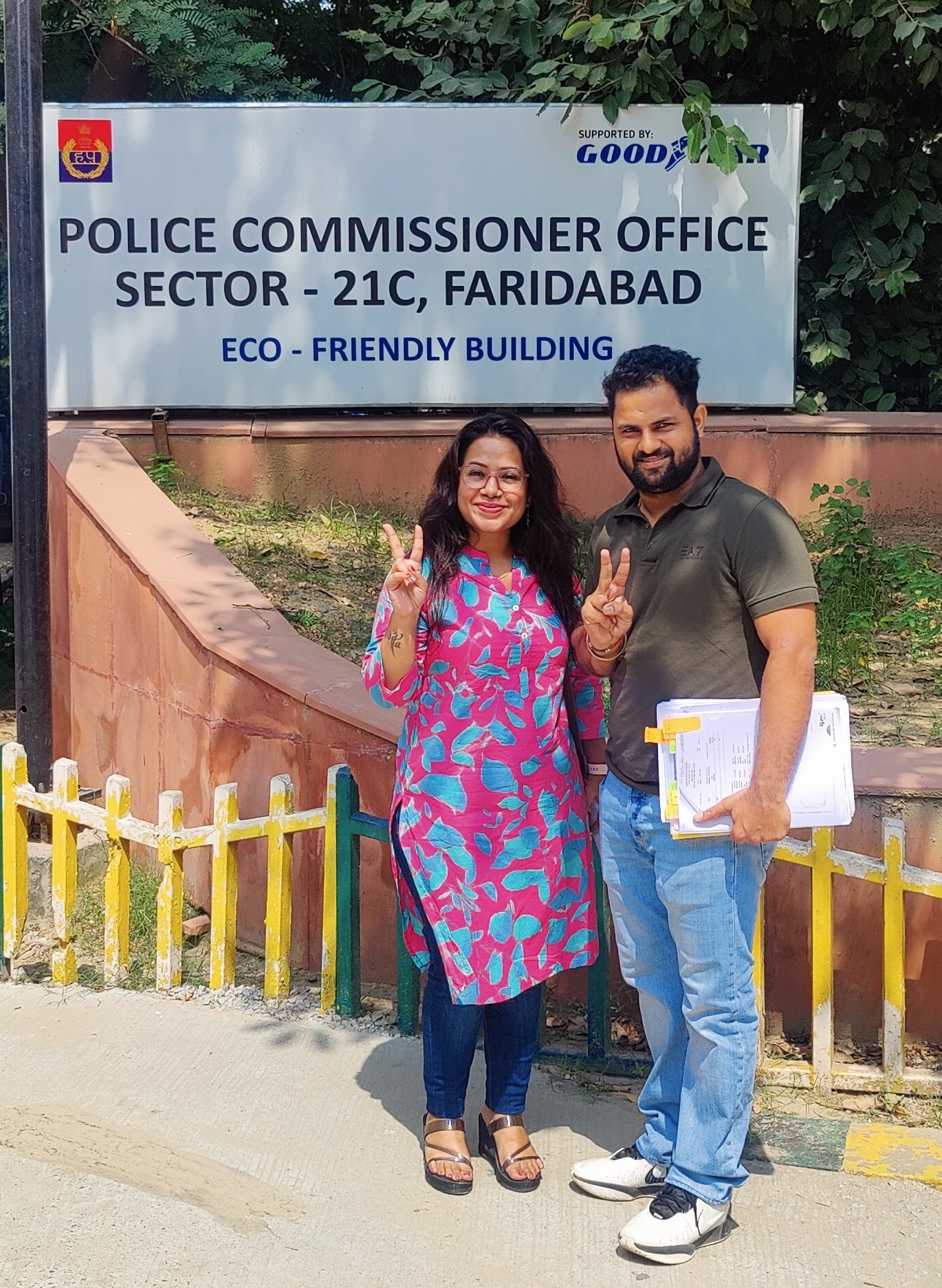
Framed by a Friend: How Dheeraj Gupta Fought Back Against a False Rape Case
Deepika Narayan Bhardwaj, Founder and Director - Ekam Nyaay Foundation with Dhiraj Gupta. 37-year-old Dheeraj Gupta, a simple and hardworking man from Vishwakarma Colony, Delhi, had never imagined that his life would be turned upside down by someone he once considered family. In July 2023, he was falsely accused of rape.The FIR, registered...

Mumbai Dating App Scam Exposed
Mumbai: Dating app scams have become rampant in the country. Thousands of young men and boys are being duped and made to shell out thousands in these scams. We have been exposing such scams since 2 years. These scams were going on unchecked in two clubs in Mumbai. One at Red...
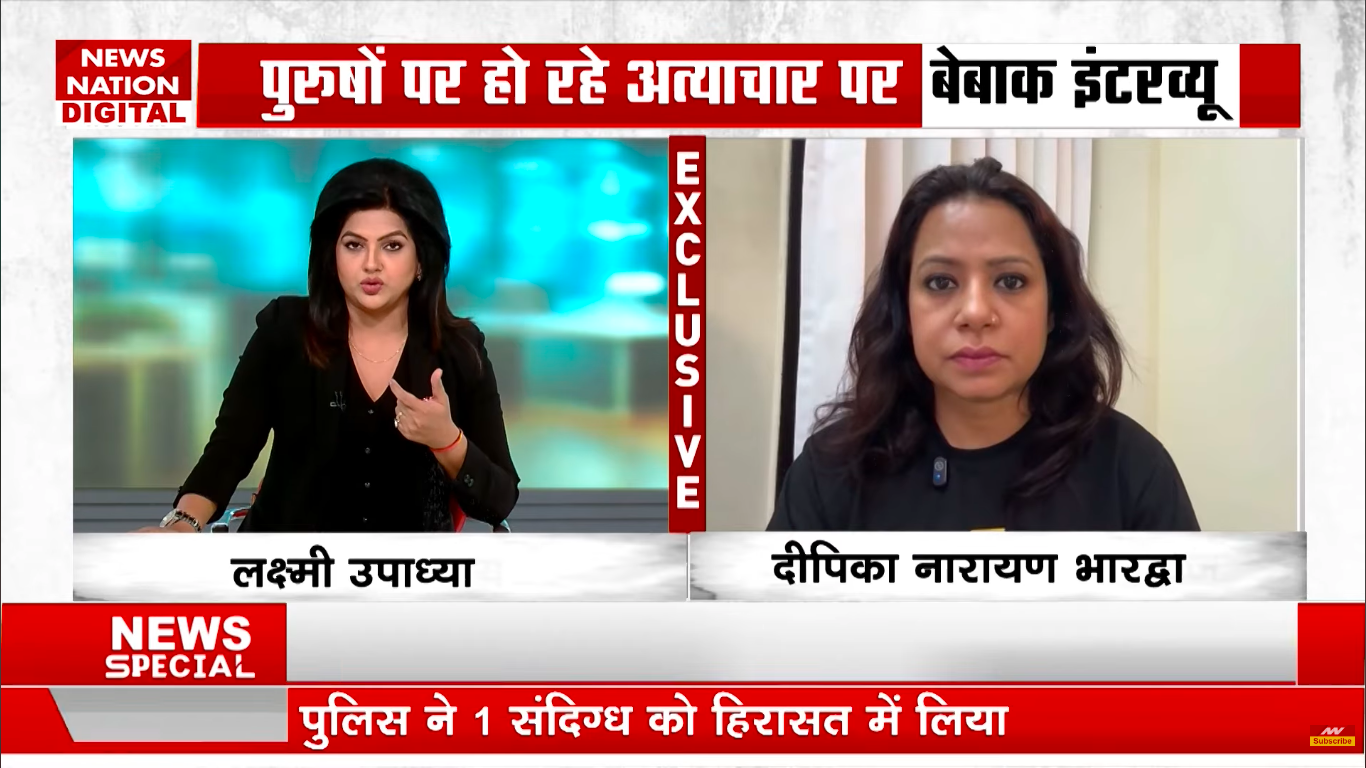
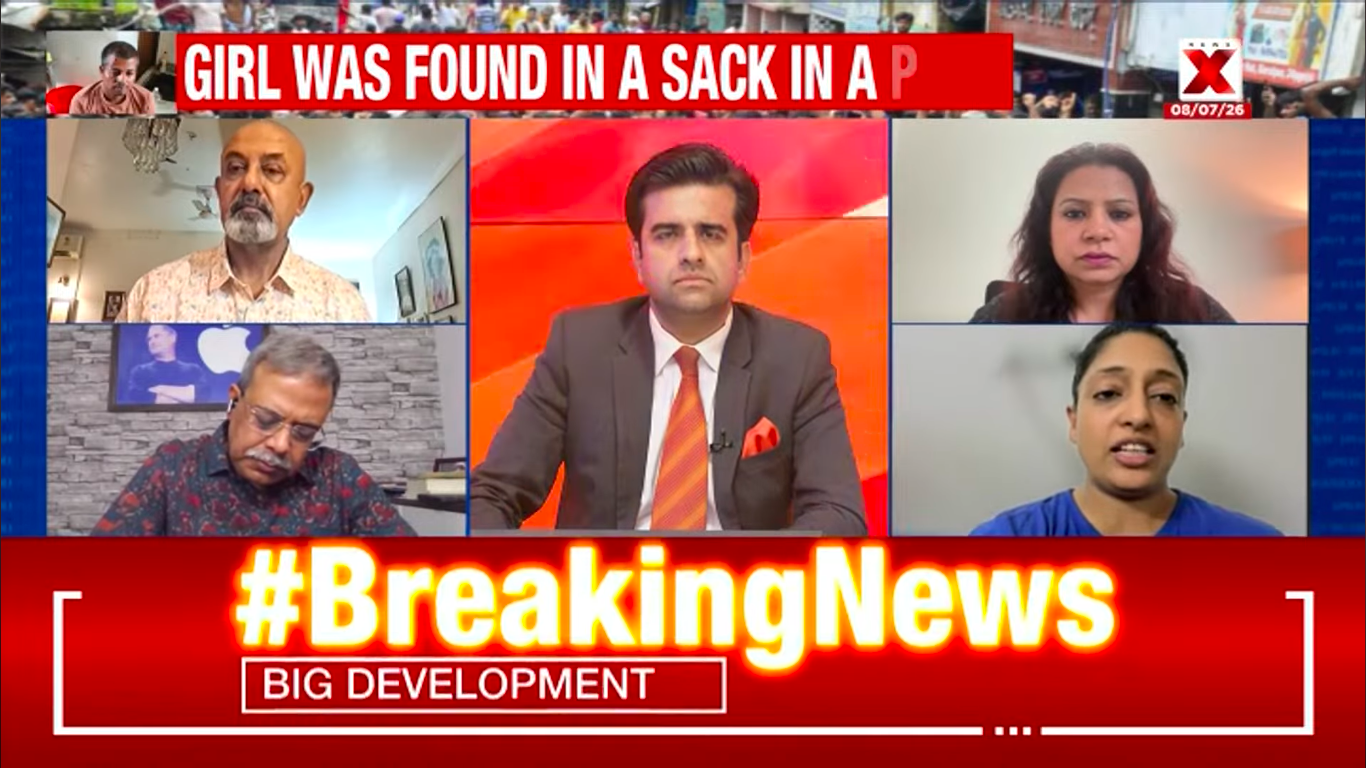
Podcast
Testimonials


law and severely jeopardizes the plight of genuine victims who seek justice.Stringent legal action and strict punishment must be ensured against perpetrators who fabricate charges to abuse the process of law.
Justice Banwari Lal Hansaria in Kolkata Honey Trap Case,
law and severely jeopardizes the plight of genuine victims who seek justice. Stringent legal action and strict punishment must be ensured against perpetrators who fabricate charges to abuse the process of law.
Justice Banwari Lal Hansaria in Kolkata Honey Trap Case,
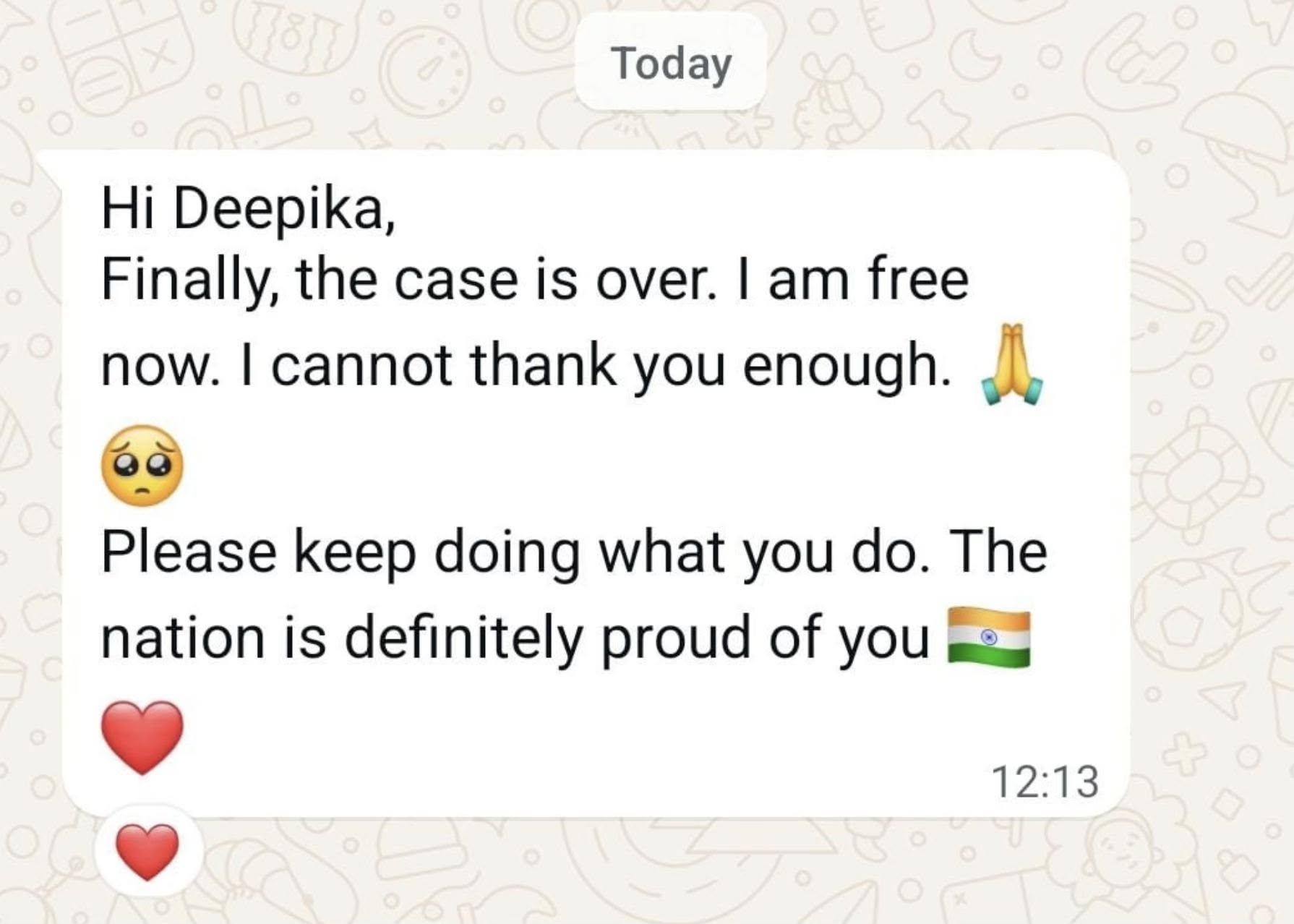
Mam it may sound cliche But you saved my marriage !I badly wanted to start a family coz I dont have many ppl is my familyI couldn’t even think of it until the case is overBut now im relievedAnd we have a daughter I’m going to name her Deepika 🙏🏻Thank you for being the light in my life 🙏🏻🙏🏻🙏🏻
Matrimonial Dispute Victim
not only helped me practically, but has also given me a sense of hope that I will always remember. Thank you from the bottom of my heart for standing by me and for believing in helping me move towards a better future. I will always be sincerely grateful for everything you have done for me. With heartfelt gratitude and respect.
Hemant Nayyar
m sure for many males like me) hi mere liye kaafi tha morally to fight this case...!!! Also when you added me in parental alienation group, I got to know strategies from many fighters like me. So that was also a great help to me. I can't thank you enough for even being there for male community and fighting for equal rights with whatever way u can...!!! One more thing mam, m available for the cause. Utilise me whatever way u can. I want to fight for equal rights And for the children sply, who are deprived of father's love with false & filthy narratives. Thank you so much ma'am for being there with legally orphan community called "MEN"...!!! 🙏
Victim of False POCSO Accusation
current issues arising and helps in solving them with right justice.
Words of Encouragement
difficult and uncertain time can make an enormous difference. As Harsh mentioned, he does not expect the matter to escalate. However, if anything does happen in the future, I will remain in touch with him and seek his guidance as needed. Once again, thank you, Ma'am, for everything you do and for the wonderful work your NGO is doing to support men who are facing false accusations and difficult circumstances. I am genuinely grateful for the time, guidance, and reassurance that you and Harsh have extended to me. With heartfelt gratitude and respect.
Victim of False Rape Accusation
Message From Our Director
" As I pen this note, I am filled with emotions of happiness, gratitude, immense satisfaction and pride. I started my journey in 2012 with a simple dream of making “Martyrs of Marriage, a documentary film, to highlight misuse of dowry laws in the country and to spread awareness on this issue so that we could save some lives from suicide. I still remember that I had asked my former boss for a sabbatical of just one year to make this film but it has been 13 years since then
working on men’s issues everyday.
It feels surreal to look back and see what all has been achieved since then. Martyrs of Marriage received global release on NETFLIX, it got screened in 22 cities in India and abroad and even got screened at Judicial Academies during training of Police & Judges.
After that it was India’s Sons - our documentary film on lives of men falsely accused of rape - which became the only Indian film to be screened at Taiwan Intenational Innocence Film Festival and also won Jharkhand International Film Festival Award. The film has now been screened at Haryana Police Academy, Police Commissionerate Ghaziabad and we continue to take it to more forums to sensitise people on impact of false accusations of Rape. These films have now been watched by millions & initiated a much needed dialogue - that Justice should be for all irrespective of Gender & misuse of laws has to be nipped in the bud.
Martin Luther King Junior in his 1963 letter from Birmingham Jail wrote “Injustice anywhere is a threat to Justice everywhere.” It means that all of humanity is interconnected, and an injustice against one person or group affects the justice of all people. The statement highlights how a society that allows injustice to stand unchecked in one place is ultimately undermining justice everywhere else.
These lines define the work we do. Our fight is against injustice and not any gender. The Constitution of India guarantees equality before law and equal protection of law to all citizens but several of our laws today are unequal, provide protection only to one gender and are being inhumanly misused 10 without any repercussions. The equality envisaged by our constitution has to be restored and all genders should have an equal right to live life of respect and dignity. With a vision for a nation that grants equal rights to all and ensures equal justice for all, I founded Ekam Nyaay Foundation along with my father Sh. Satya Narayan Bhardwaj in February 2024.
Focusing on Four domains - Content, Counselling, Interventions & Research, Ekam Nyaay Foundations is -
▪ creating content on issues that impact men & their families, reaching millions.
▪ providing counselling to men and their families in distress
▪ going on-ground to intervene in cases of suicides & extortions and
▪ undertaking research to initiate dialogue in academia on these issues.
With just 3 full time employees and a part time resource, we have counselled more than 2000 individuals in person, responded to thousands of queries in our email and DMs, grown to a 30K+ community of Ekam Nyaay Foundation on social media and together through my handles and of organization have 700K+ followers garnering 700M+ Views. We provide not just legal guidance but emotional cushion to those going through one of the toughest times of their life facing not just legal ordeals but betrayal by those they once loved the most. We live in a society where “Men Don’t Cry” is a common phrase and it is easy for people to expect men to not cry no matter how much pain they are in, but we at Ekam Nyaay provide a safe space for these souls to open up without being judged.
While our counsellings are non judgmental, we ensure that we thoroughly investigate the cases in which we intervene in organizational capacity and follow high standards of evidence collection. We are conscious of the fact that women are victims of very violent crimes in society even today and hence do due diligence in all our capacity before taking up a case for personal intervention. Our balanced approach in our work has gained us the trust of not only those who support our work but also of authorities who step forward to fairly investigate the cases we approach them for and do justice.
I am proud to share that since we began our operations we have got 35+ criminals arrested, helped victims who were not getting heard by police get an FIR lodged in more than 18 cases and prevented arbitrary arrests in multiple false cases through personal interventions or social media impact. We have provided on ground support in several cases of suicide, arranged pro bono legal support for many who could not afford and hand-holded many men who became victims of extreme violence or injustice. Testimonials we have received from endless people is a testament to our commitment to
selfless social service and blessings we receive everyday are a priceless payment of our relentless efforts.
It is my honour to present to you ANNUAL REPORT of EKAM NYAAY FOUNDATION. We have tried to capture all the major developments, cases and results we have achieved since we began operations but there is a lot more we could not cover in this report. Our website www.ekamnyaay.org is a storehouse of our work, important judgments, inspiring stories, tales of our impact, media coverage and a lot more. I am inviting you to explore the world of Ekam Nyaay Foundation and if you believe in our work, come join us as an ally.
Last but not the least, none of this could have been possible without my parents, my family, my loved ones, my friends, my dearest colleagues Rohit, Harsh, Shiv, our amazing volunteers and above all, the DONORS to this organization without whom we are incapable of doing anything.
This report is dedicated to every soul who has believed in Ekam Nyaay…. “
"
Deepika Narayan Bhardwaj
Founder, Ekam Nyaay Foundation